Cherry Xtrfy Mx 10 1 Wireless First Look: Unboxing and Impressions
Introduction
The Cherry Xtrfy Mx 10 1 Wireless arrives at a moment when buyers expect mechanical keyboards to do more than type: they must balance gaming-grade performance, everyday comfort, and dependable wireless connectivity. This first-look unboxing and impressions piece walks through the out-of-the-box experience, the keyboard’s design and construction, its wireless behavior, customization options, and how it stacks up against typical buyer priorities. The goal is to help readers decide whether it’s worth a closer look without leaning on marketing-speak or speculative claims.
Unboxing: What’s in the Box and First Impressions
Unboxing a premium keyboard is often the first tactile moment a buyer has with a product, and the Cherry Xtrfy Mx 10 1 Wireless gives a measured, purposeful first impression. The packaging is typically compact and protective, designed to minimize movement during shipping. Inside, the keyboard is usually wrapped in a thin protective sleeve with a foam insert or cardboard support to protect the frame and keycaps.
Included accessories commonly found in this category — and worth checking when unboxing — are a braided USB-C cable for charging and wired use, a wireless receiver (if the keyboard supports a dedicated 2.4GHz dongle), a basic keycap puller, and a short printed manual with warranty details and pairing instructions. For buyers who value a polished presentation, the package contents and the quality of included extras can be an early indicator of overall attention to detail.
Design and Build Quality
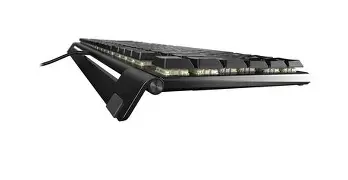
From a surface-level inspection, the Cherry Xtrfy Mx 10 1 Wireless appears to emphasize a clean, utilitarian aesthetic. The frame design leans toward a low-profile bezel that keeps the keyboard compact without feeling cramped. The chassis material feels solid to the touch — a mix of metal top plate or metal-reinforced plastic is typical at this tier — which helps reduce flex during typing and gives a reassuring heft during play.
Keycaps should be checked for profile and material. Buyers often prefer double-shot or high-quality PBT caps for durability and a matte finish that resists shine with extended use. The legend clarity and stabilizer finish (on longer keys such as Space, Enter, and Shift) are additional small but important quality markers: well-lubed stabilizers and tight stabilizer fittings reduce rattle and improve the perception of build quality.
Layout and Form Factor
Expect the Mx 10 1 Wireless to be offered in competitive layouts that appeal to gamers and typists alike — likely a tenkeyless (TKL) or compact full-board option. Compact layouts are useful for those who want more desk space for mouse movement or portable setups across multiple workstations. The inclusion (or absence) of features like dedicated media keys or a detachable wrist rest will influence who the keyboard will suit best: gamers who value quick-access controls versus office users who prioritize comfort for extended typing sessions.
Switches and Typing Feel
Given the inclusion of “Cherry” in the name, buyers should reasonably expect Cherry MX mechanical switches — a widely respected family of switches with distinct tactile, linear, and clicky variants. Cherry switches are known for predictable actuation behavior and consistent quality. The Mx 10 1 Wireless is likely to be available in several switch options to cater to different preferences:
- Linear (smoother travel, favored by many FPS gamers)
- Tactile (a bump on actuation, popular with mixed-use typists/gamers)
- Clicky (audible feedback for typists who like an assertive feel)
Key travel, actuation force, and the sound profile are practical attributes buyers test in the first hours. The keyboard’s stabilizers, plate material, and keycap density also change the overall feel: a steel plate yields firmer feedback, while polycarbonate or aluminum offer subtly different acoustics and flex. First impressions usually focus on whether the typing experience is crisp and well-damped or if the keyboard feels hollow and noisy.
Wireless Performance and Connectivity
Wireless keyboards must balance latency, reliability, and battery life — three aspects that often determine a buyer’s willingness to use wireless for gaming. The Cherry Xtrfy Mx 10 1 Wireless, being positioned as a modern mechanical wireless device, likely supports at least two wireless modes: a low-latency 2.4GHz connection using a USB receiver for gaming and a Bluetooth mode for multi-device pairing and mobile convenience.
Real-world use cases highlight how those modes matter:
Looking for the best Laptops & Computers deals on Amazon?
Shop Amazon →- Competitive gaming: low-latency 2.4GHz mode with a dedicated receiver is preferred to minimize input lag and interference.
- Office and productivity: Bluetooth pairing allows easy switching between a laptop, tablet, and phone without swapping receivers.
- Hybrid setups: users who work from multiple locations will value a robust Bluetooth implementation and stable dongle-based mode when at a desk.
Battery behavior is another frequent concern. Many buyers care most about how the keyboard performs under heavy RGB usage versus more conservative profiles. For first impressions, note how quickly the keyboard charges, whether it supports pass-through wired operation while charging, and how the system indicates battery level. These practical details affect daily convenience: a keyboard that drains quickly under default lighting or lacks clear battery indicators creates friction for users who rely on wireless freedom.
Software, Macros, and Customization
Software capability is a significant differentiator for buyers who want macro functionality, per-key RGB control, and profile management. Systems vary from lightweight onboard profile tools to full-featured desktop suites. For people who travel or use work-issued computers that cannot install third-party software, onboard macro recording and hardware profile storage are valuable.
First impressions should evaluate the depth and clarity of the configuration options. Are per-key remaps straightforward? Is RGB control granular (per-key, per-zone, or only presets)? Can profiles be exported and imported? Assessing the software’s stability and the keyboard’s responsiveness to configuration changes is part of a practical first look.
Real-World Use Cases
Understanding how the Cherry Xtrfy Mx 10 1 Wireless performs across different scenarios helps buyers determine fit.
Office and Remote Work
For a remote worker, key concerns are typing comfort, quiet operation (or at least predictable acoustics), and multi-device conn…Content Creation and Programming
Content creators and programmers often look for reliable mechanical feedback and durable legends. A well-lubed tactile switch coupled with quality keycaps gives consistent typing across long sessions. Programmable keys and macro layers can speed repetitive tasks, while onboard memory ensures profiles are kept across systems.
Competitive and Casual Gaming
Gamers will assess latency, stability, key rollover, and overall ergonomics. A responsive low-latency mode and solid build quality are priorities. The keyboard’s stabilizer quality and actuation feel influence both precision in competitive titles and comfort during marathon sessions. RGB is a cosmetic but often important feature for gamers who integrate keyboard lighting with system-wide profiles or stream setups.
Pros & Cons
- Pros
- Strong first impressions of solid build and purposeful design
- Probable Cherry MX switch options catering to a broad audience
- Wireless flexibility for desk and mobile use (2.4GHz + Bluetooth expected)
- Compact footprint suitable for gamers and commuters
- Onboard profile/macro potential for use on locked-down systems
- Cons
- True wireless latency and battery endurance require extended testing to confirm
- Software depth and polish are unknown at first look — could be limiting
- Keycap and stabilizer finish may vary in mass production; needs hands-on validation
- Price-to-feature balance will determine competitiveness in a crowded market
Comparison Table
| Feature | Cherry Xtrfy Mx 10 1 Wireless (First Look) | Logitech G915 TKL (Representative) | Keychron K8 Wireless (Representative) |
|---|---|---|---|
| Target audience | Gamers and mixed-use typists seeking wireless mechanical feel | High-end gamers wanting low-profile wireless performance | Entry-to-mid-level users seeking affordability and macOS/Windows compatibility |
| Switches | Cherry MX family (various options expected) | Low-profile proprietary switches (linear/tactile options) | Gateron/Hot-swappable options commonly available |
| Connectivity | 2.4GHz dongle + Bluetooth (likely) | Lightspeed 2.4GHz + Bluetooth | Bluetooth + wired USB-C |
| Battery & Charging | Wireless-first design; runtime varies with lighting and usage | Long battery life optimized for low-profile switches | Good battery life; fast charging varies by model |
| Software & Customization | Custom software expected; onboard profiles likely | Mature software with deep customization | Basic to moderate customization; many features are community driven |
| Form factors | TKL or compact layouts (varies by SKU) | Low-profile TKL or full-size | TKL and full-size available; hot-swap options |
Buying Guide: What to Consider Before Purchase
When evaluating the Cherry Xtrfy Mx 10 1 Wireless or similar keyboards, buyers typically focus on a handful of consistent factors. The following checklist helps translate first-look impressions into a purchase decision.
1. Intended Use
Decide whether the keyboard will be used mainly for competitive gaming, daily typing, programming, or a hybrid mix. Competitive gamers should prioritize proven low-latency wireless modes and switch types that match their playstyle. Typists and programmers may lean toward tactile switches and sturdier keycaps for long-term comfort.
2. Switch Choice and Keycaps
Switch feel is personal. If possible, test or choose a vendor with a good return policy. Consider the keycap material: PBT keycaps and double-shot legends usually age better than lower-cost ABS options. Also examine the stabilizer treatment for long keys, which impacts sound and feel more than many buyers expect.
Shop the latest Laptops & Computers picks on Amazon.
View Offers →3. Wireless Reliability and Latency
Check whether the keyboard offers a dedicated low-latency 2.4GHz mode for gaming and a Bluetooth mode for convenience. Read independent latency tests if available, and look for user reports on connection stability in crowded wireless environments (offices, dorms, conventions).
4. Battery Life and Charging Behavior
Battery longevity under typical workflows matters more than headline numbers. Ask whether the keyboard supports wired pass-through while charging and whether lighting significantly impacts runtime. Clear battery level reporting (in software or via an LED) is a practical convenience.
5. Software and Onboard Features
Evaluate the software for ease of use, stability, and how much it lets a user customize per-key assignments, macros, and lighting. If installation of third-party software is restricted on workplace machines, make sure the keyboard supports onboard profile storage and hardware macro recording.
6. Portability and Desk Fit
For people who travel or attend LAN events, a compact layout and a detachable cable are essential. For desk-bound setups, a non-slip base, adjustable feet with solid angles, and a wrist rest can improve comfort significantly.
7. Warranty and Support
Check manufacturer warranty length and the reputation for customer service. Mechanical keyboards are durable, but timely support for replacement parts or RMA issues matters if a defect appears after extended use.
8. Price-to-Value
Compare the Mx 10 1 Wireless to similarly priced offerings. High-end features like per-key RGB, hot-swappable switches, or a metal top plate can justify a premium, but unnecessary extras can drive price without improving long-term satisfaction.
Conclusion
The Cherry Xtrfy Mx 10 1 Wireless makes a promising first impression as a modern mechanical keyboard that attempts to balance gaming performance and everyday versatility. Early observations show thoughtful design choices around compactness and build quality, and the expected inclusion of Cherry MX switches positions the keyboard well for buyers who value predictable mechanical feel. The real tests — wireless latency stability, battery endurance under real-world lighting profiles, and the depth and polish of the customization software — will determine whether it stands out in a crowded market.
For buyers, the best next steps are clear: evaluate switch options against personal typing or gaming preferences, verify wireless modes and how they perform in the intended environment, and review software or onboard capability for customization. Those who prioritize a durable mechanical typing experience with modern wireless convenience will find the Cherry Xtrfy Mx 10 1 Wireless worth watching as more hands-on reviews and long-term testing results become available.