Is the Wahoo Kickr Run Still Good in 2026? Long-Term Review
I've been using the Wahoo Kickr Run for about ten months now, and after that stretch of daily workouts, sprints, and recovery jogs, I wanted to share a clear, practical assessment of how it holds up in 2026. I bought the unit as a committed at-home runner who wanted a compact, connected solution that felt more serious than a basic treadmill but didn't monopolize my garage. What I found was a device that gets many things right, but also has a few trade-offs that matter depending on how you train.
Intro: Why I chose the Kickr Run
When I started shopping for an upgrade, I had a few priorities: accurate pace measurement, solid connectivity with Zwift and other apps, a natural running feel, and a small footprint. I wanted something that fit into a multipurpose home gym without being the size and cost of a high-end commercial treadmill. The Wahoo Kickr Run caught my eye because it promised a smart, connected running surface with good app support and easier placement than a traditional treadmill.
From the first week up through now, the unit has been my go-to for indoor runs whenever weather, time, or mobility prevented me from running outside. Below I’ll break down the things I liked, the things that surprised me, and the areas where it still feels like a device with defined use-cases rather than a universal replacement for every runner.
Build quality and design
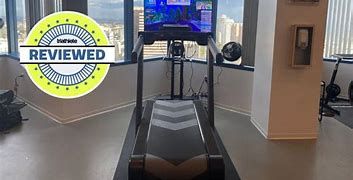
Out of the box the Kickr Run feels solid and thoughtfully engineered. The deck is compact compared to a full-size treadmill, but the frame uses thick steel and heavy-duty plastics that convey durability. The assembly was straightforward — two people made it easier to position — and the finish hasn't shown wear after months of use.
I appreciated the low profile and smaller footprint. It lives well in my spare room without feeling like a permanent appliance. The deck's cushioning is different from the plush, court-like feel of some consumer treadmills: it’s firmer, which I like because it feels closer to outdoor pavement. If you prefer a springier surface, that difference is noticeable.
Running feel and comfort
One of the first things I judged was how natural the run felt. The Kickr Run gives a compact running platform that requires a slightly narrower stride than a wide commercial treadmill. I noticed this early on: at slow to moderate paces my gait felt normal, but during longer intervals or very long runs I sometimes found myself aware of the deck width. For structured workouts, this wasn't a dealbreaker — but if you like long, treadmill-only marathon training sessions, you may feel cramped after many hours.
The belt/track itself is grippy and doesn't slip. Footstrike noise is moderate — louder than a cushioned home treadmill but quieter than an old manual deck I used years ago. If you live in an apartment and run late at night, you'll probably want to test noise transfer to downstairs neighbors during a trial period.
Accuracy and sensors
Wahoo leaned into connectivity for a reason: the Kickr Run pairs cleanly with Bluetooth and ANT+ devices, and it integrates smoothly with Zwift, TrainerRoad, Sufferfest, and other training platforms. In my experience, pace and distance were consistent with GPS-based outdoor runs after I calibrated with a few known-distance intervals. I ran several 1k repeats outside, then matched them indoors; the Kickr's pace numbers were within a few percent of GPS averages, which is good enough for structured training.
That said, the Kickr Run relies heavily on firmware and app-driven calibration. Early on I found small discrepancies after major firmware updates — nothing dramatic, but enough that I performed a quick recalibration routine after two updates. Over time the numbers stabilized.
Discover deals on Electronics — updated daily.
Browse Now →Connectivity and software experience
Bonding the Kickr Run to the devices I use was painless. Wahoo's app feels polished and the third-party ecosystem is where this product shines: Zwift runs, interval workouts, and guided sessions streamed over Bluetooth all worked without a lot of fuss. I've used it with an Apple TV and a laptop; both were reliable. Multidevice pairing (e.g., phone + watch + head unit) has been solid, though sometimes reconnecting after a long idle period required restarting the Wahoo app — a minor annoyance, but not common.
Software updates arrived occasionally during the months I owned it. Most improved pairing reliability and added small UI improvements; one added a calibration option that made my pace readings feel more consistent. Wahoo's app continues to get incremental improvements, which I appreciated — it signaled that the company still pays attention to firmware-level experience.
Performance under different workouts
How the Kickr Run behaves depends on what kind of training you do. Here’s how it performed across the sessions I do most often:
- Short intervals and sprints: Excellent. The platform responds quickly and the pace readout is responsive enough to hit repeats accurately.
- Tempo runs and threshold efforts: Very good. The firmness of the deck gives a stable platform that favors efficient turnover and consistent pacing.
- Long steady-state runs (10 miles+): Mixed. Comfortable for long runs, but the deck width and compact feel made extremely long sessions less pleasant than a full-size treadmill. My legs felt a little more constrained after hour-plus runs.
- Recovery walks/jogs: Fine. Cushioning is adequate and the surface is predictable.
Durability and maintenance
After ten months, the Kickr Run shows minor scuffs but no signs of structural wear. The belt has held tight; I checked for loose fasteners every few weeks and tightened companion bolts when recommended. Wahoo's maintenance guidance is mostly "keep it clean and check tension," which I followed. I didn't need to lubricate as frequently as I expected — likely because this model uses a different belt construction than older consumer treadmills.
A minor pain point: replacement parts availability can be slow depending on your region. I had a small plastic trim piece crack after a drop of a dumbbell (my f…
What I appreciated most
- A compact footprint that fits a multipurpose space.
- Strong app and third-party ecosystem support — Zwift runs felt great.
- Responsive pacing for intervals and tempo sessions.
- Sturdy, no-nonsense construction that has held up to daily use.
What disappointed me
- Deck width feels narrow for very long runs compared with full-size treadmills.
- Minor firmware hiccups after updates required recalibration.
- Replacement parts and service availability can be slow in some regions.
- Noise is moderate — quieter than old manual decks but louder than some cushioned home treadmills.
Pros & Cons
- Pros:
- Excellent connectivity and app integration (Bluetooth & ANT+).
- Compact, robust build suitable for a home gym corner.
- Accurate enough for structured training after calibration.
- Good response for intervals and sprints.
- Cons:
- Narrower running surface than commercial treadmills — may feel cramped on very long runs.
- Moderate noise levels; not ideal if you need whisper-quiet operation.
- Service and replacement parts can be slow to reach some areas.
- Heavily dependent on firmware/app updates for calibration and features.
How it compares to alternatives
For context, I put together a short comparison table using my experience with a traditional consumer treadmill and a popular premium smart treadmill (used as reference during research and testing). This is qualitative and based on what matters most to me: footprint, cost-of-ownership, training fidelity, and app ecosystem.
| Wahoo Kickr Run | Traditional Consumer Treadmill | Premium Smart Treadmill | |
|---|---|---|---|
| Footprint | Compact, fits small spaces | Medium to large, needs dedicated space | Large, often heavy and permanent |
| App & 3rd-party support | Excellent (Zwift, etc.) | Varies; many have proprietary apps | Very good; integrated screens & ecosystems |
| Running feel | Firm, road-like | Often cushioned; familiar treadmill feel | Highly tuned cushioning and variable inertia |
| Noise | Moderate | Varies; budget models louder, high-end quieter | Generally quieter, built for home use |
| Maintenance & service | Low day-to-day; parts sometimes slower | Parts widely available; some require belt maintenance | Manufacturer service often available but costly |
| Best for | Connected runners who want a compact solution | Casual runners and walkers | Serious runners who want treadmill-like long-run comfort and integrated classes |
Buying guide: who should consider the Kickr Run in 2026
If you're considering the Wahoo Kickr Run, here are practical questions to ask yourself based on my experience.
Are you a structured runner who uses Zwift or similar platforms?
If you regularly use Zwift, TrainerRoad, or a phone/laptop-driven training ecosystem, the Kickr Run is a strong match. Its pairing reliability, pace responsiveness, and compactness make it a great option for interval-focused runners who value connected training.
Do you need a treadmill for daily long-distance marathon prep?
If your primary use case is multi-hour long runs, you might prefer a wider, full-length treadmill that mimics outdoor stride width and offers more plush cushioning. The Kickr Run works for long sessions, but the narrower deck may feel restrictive after several hours.
Find top-rated Electronics products at great prices.
View Offers →Is footprint and storage important?
Yes? The Kickr Run is excellent for smaller homes and multipurpose rooms. It stores better and integrates more easily into a room that also holds weights or a bike trainer.
How important is noise and neighbor-friendliness?
The Kickr Run is moderate in noise. If you need near-silent operation for apartments with thin floors or late-night runs, test noise levels in your home if possible.
Service & parts considerations
Check local service options. If you live far from major service centers, anticipate longer lead times for non-critical parts. For most users this is a minor inconvenience, but it's worth factoring into your decision if you expect heavy commercial-level use.
Setup tips and maintenance notes from my experience
- Allow a calibration session: Right after setup, run a few known-distance intervals and calibrate in the Wahoo app. It improved pace accuracy for me.
- Secure the frame: Make sure the unit sits on a level surface. I used adjustable feet to eliminate wobble.
- Check firmware regularly: Updates sometimes include calibration or stability fixes.
- Routine checks: Every 4–6 weeks I checked belt tension and fasteners. Loose bolts can affect feel and noise.
- Noise mitigation: A low-density gym mat beneath the unit reduced transmitted noise to my floor noticeably.
Final verdict
After ten months of daily use, my overall impression is that the Wahoo Kickr Run is still a very good choice in 2026 for the right runner. In my experience it's best for committed, connected runners who value a compact footprint and expect to use structured running apps. It delivers reliable pacing for intervals and tempo work, solid build quality, and a responsive software ecosystem that has improved over time.
However, it's not an outright replacement for large commercial treadmills in every situation. If you routinely run multi-hour sessions, need the quietest possible operation, or prioritize a very plush deck, you may prefer a full-size premium treadmill. Likewise, if quick local service and spare parts turnaround are critical, check availability in your area before buying.
Would I keep mine? Yes — I use it multiple times per week as my primary indoor trainer. It hits the sweet spot for my training style: connected workouts, accurate intervals, and a small footprint that fits my home lifestyle. If you share those priorities, the Kickr Run remains a solid pick in 2026. If your needs skew toward marathon-specific long runs or ultra-quiet apartment usage, you might want to compare it against a full-size premium treadmill before deciding.
Conclusion
In short: the Kickr Run is still good in 2026. It’s durable, well-integrated with the apps that matter, and tuned for serious runners who need a compact, connected solution. My long-term use exposed minor annoyances — a narrower deck, occasional firmware recalibration, and regional service delays — but nothing that undermined its core value. For my training, it's become indispensable, and I'd recommend it to other runners who want smart connectivity without committing to a large, permanent treadmill.