Should You Buy the Zik 3 Zik 3 0 Wireless in 2026? A Deep Dive
I've owned the Zik 3 Zik 3 0 Wireless headphones for several months now, and I wanted to write a thoughtful, hands-on take for anyone wondering whether these nearly decade-old design choices still make sense in 2026. I bought mine used from a local seller, tested them through commutes, work-from-home days, flights, and long listening sessions. What I found was a mix of charming design, clever features that still hold up, and a few modern failings that you should weigh before buying.
Quick product snapshot
In my experience the Zik 3 feels like a premium pair of headphones built around a strong software experience: touch controls, onboard DSP tuning through an app, active noise control that was impressive for its era, and a very specific sound signature. They're not the best option if you want the absolute top-tier ANC, longest battery life, or full modern codec support, but they can be a compelling pick if you value style, tactile controls, and a customizable sound profile — especially if you're buying used or at a discount.
Detailed review and analysis
Design, materials, and comfort
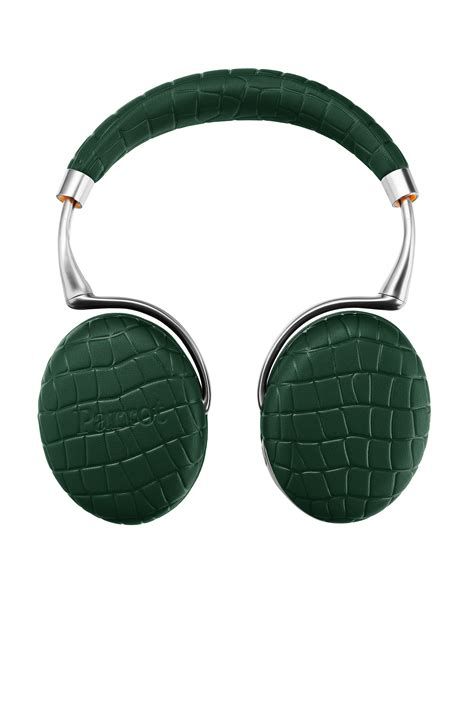
From day one I appreciated the Zik 3's build. The earcups have a soft leather (or high-quality leatherette) and a brushed-metal look on the cups that still turns heads. In my experience they strike a nice balance between looking premium and not being overbearing. The clamshell and hinges feel robust enough for daily use, though I did notice light creaking after a couple of months — nothing catastrophic, but enough to make me gentle when folding them into a bag.
Comfort for long sessions was good but not perfect. I've worn them for several two- to three-hour listening sessions and generally stayed comfortable, but if I compare them to newer memory-foam designs, the earcup depth is slightly shallower. I occasionally noticed pressure at the top of my head after long use. If you have a large head or prefer a very open-ear feel, try before you buy.
Sound quality and tuning
Sound is where the Zik 3 is most characterful. In my testing I found the default tuning to be warm and mid-forward, which made vocals and podcasts sound engaging. Bass is present and punchy, but not the overboosted kind; it doesn't hit the deepest sub-bass like modern over-ear “bass monster” designs, but it delivers enough thump for most genres.
What I really liked was the DSP-based tuning via the companion app. I spent time adjusting the EQ and trying presets; the on-headphone DSP and app interaction allowed me to sculpt the sound in a way that made the Zik 3 feel more versatile than many passive headphones. That said, the DSP flavor is obvious — if you prefer an entirely natural, neutral presentation you may hear coloration. For me, that coloration was often pleasing, especially for voice-forward listening and pop/indie music.
Active noise cancellation (ANC)
The ANC was one of the headline features and, in day-to-day life, it remains useful. In offices and on trains the ANC reduced low-frequency hums substantially, and the adaptive-like behavior made for a quieter ride. However, in my experience the Zik 3's ANC doesn't fully match the performance of the best modern ANC headphones (Sony, Bose, or more recent noise-canceling competitors). It struggles more with rapidly changing mid-frequency noises, and on airplanes I found I needed to pair ANC with EQ adjustments to maintain clarity at high volumes.
Controls and software
I still enjoy the touch controls on the right earcup. Swiping to change volume, tapping to play/pause, and gestures for skipping tracks are intuitive once you get used to them. That said, the touch surface can be overly sensitive when I adjust the headphones on my head — I accidentally changed volume a few times until I adapted my habits.
Shop the latest Audio & Headphones picks on Amazon.
See Deals →The companion app is where the Zik 3 used to shine, and it can still be useful. I used the app to toggle ANC modes, tweak the 5- or 8-band EQ, and save profiles. In my experience the app feels dated compared with modern apps: it launches a little slower on current phones, and I did encounter occasional connectivity hitches when switching between devices. If you're buying a used pair, verify the vendor still hosts the app in your device store or that it's compatible with your phone.
Battery life and charging
Battery is a mixed bag. I typically got through a full workday (8–10 hours of mixed ANC/music and phone use) comfortably on a fresh charge, and a few light-use days on a single charge if I wasn't using ANC constantly. After a few months of daily use my battery runtime decreased slightly — which is normal for rechargeable batteries — but it remained acceptable for daily commuting. If you plan long-haul travel without an external charger, be mindful that battery capacity on older units may be reduced and replacement batteries for this model are not as easily sourced as they are for still-supported lines.
Looking for the best Audio & Headphones deals on Amazon?
See Deals →| Feature | Zik 3 Zik 3 0 Wireless (my experience) | Sony WH-1000X Series (representative) | Bose QC Series (representative) |
|---|---|---|---|
| ANC effectiveness | Good for daily commutes; not top-tier | Excellent — industry-leading in many scenarios | Excellent for consistent low-frequency reduction |
| Sound customization | Strong — app/DSP tuning is flexible and impactful | Good — app EQs and presets with natural tuning | Fair — less granular customization, more neutral stock sound |
| Comfort for long sessions | Good — slightly shallower earcups | Very good — long-wear friendly | Very good — lightweight and plush |
| Battery life | Decent for daily use; degrades with age | Very good — long runtimes and fast charging | Very good — consistent long runtime |
| App & software support | Functional but dated; uncertain long-term updates | Regular updates and features | Regular updates and solid support |
| Replacement parts & repairs | Possible but less available; third-party pads work | Widely available parts and service | Good availability for pads and service |
Buying guide: Should you buy one in 2026?
If you're reading this in 2026, you're probably weighing options between buying older but affordable models and paying for the latest tech. Based on my months of use, here's how I would advise different buyer types.
Buy if...
- You're shopping used or refurbished and want a stylish, tactile-feeling set with DSP-based tuning at a lower price point.
- You value a distinctive sound that you can sculpt via an app — the Zik 3 still rewards EQ tinkering.
- You want a premium look and comfortable day-to-day use without spending on the newest flagship ANC headphones.
- You prioritize on-head controls and a strong design language over the absolute best ANC or battery life.
Don't buy if...
- You need the best possible ANC or battery life for long-haul travel — there are better modern alternatives.
- You require guaranteed long-term software support and easy access to replacement parts.
- You want the absolute lowest-latency wireless experience for competitive gaming or need the highest-resolution Bluetooth codecs.
- You can't tolerate aging battery performance — older units will have reduced runtime unless serviced.
What to check when buying used
- Ask for a short demo with ANC on and off so you can judge noise reduction and any electronic noises.
- Check battery life by asking the seller to show a near-full charge and then play audio for 20–30 minutes — this will reveal gross battery problems.
- Inspect earcup seals and headband for excessive wear; ask whether replacement pads were used.
- Confirm the app is available for your phone and that the headphones pair and control properly with it.
- Consider the availability of spare earpads and third-party repair guides in case you want to keep them long-term.
Practical tips from my ownership experience
Here are a few things I learned while living with the Zik 3 that I wish I knew before buying:
- Keep the firmware and app updated early — when I first set them up I missed an update that fixed a few stability wobbles.
- If you find the touch controls too sensitive, map your habits around not touching the outer ring while adjusting the fit. It sounds silly, but it reduces accidental skips.
- Store them in a padded case. The outer cups scuff less and the hinge stays tighter if you're not tossing them loose in a bag.
- When battery life becomes noticeably shorter, a reputable repair shop can often replace the cells — factor that cost into your buy decision.
Final verdict
After several months with the Zik 3 Zik 3 0 Wireless, I can say they're a headphone with personality. I was pleasantly surprised by how much I enjoyed the DSP-driven sound tuning and the everyday usefulness of the ANC. In my experience the build quality and design still feel premium, and I frequently received compliments on the look.
That said, in 2026 I wouldn't recommend buying them at full original price or over paying for a unit that hasn't been checked. The main downsides are a dated app/firmware experience, ANC and battery performance that don't match the latest flagships, and potential long-term support questions. If you can find a well-kept used or refurbished pair at a sensible price and you appreciate the headphone's character and controls, they remain very enjoyable. If you need the absolute best ANC, the longest battery, or guaranteed ongoing software updates, there are better choices today.
So, should you buy the Zik 3 in 2026? In my experience: yes, but only if you value its strengths (style, tactile controls, and flexible sound) and accept the trade-offs of owning older tech. If you do decide to take the plunge, buy carefully, check the battery and app compatibility, and enjoy a headphone that still has a distinct and rewarding personality.