Should You Upgrade from Sony A7R V to Dyson Cool Cf1 Fan?
At first glance, the question reads like a joke: why would anyone trade a high-resolution full-frame camera for a household fan? Yet this deliberately provocative framing highlights a real decision many buyers face when reallocating limited funds, changing priorities, or simplifying their lifestyle. This article examines the Sony A7R V and the Dyson Cool Cf1 fan side by side — not because they serve the same function, but because consumers frequently compare value, utility, and emotional return across very different purchases.
Introduction: What “Upgrade” Means in Context
An upgrade usually means replacing an existing purchase with something that better meets current needs. For a photographer, an “upgrade” typically moves toward higher image quality, better autofocus, or improved ergonomics. For a homeowner, an “upgrade” often means better comfort, quieter living spaces, or improved efficiency.
When considering whether to move money from a Sony A7R V into a Dyson Cool Cf1 (or more realistically, whether to buy one instead of the other, or to sell one to fund the other), the right answer depends on use cases, lifestyle, and priorities. The following sections analyze both products on their merits, list pros and cons, present a comparison table keyed to buyer concerns, and finish with a practical buying guide to help readers decide.

Product Analysis: Sony A7R V
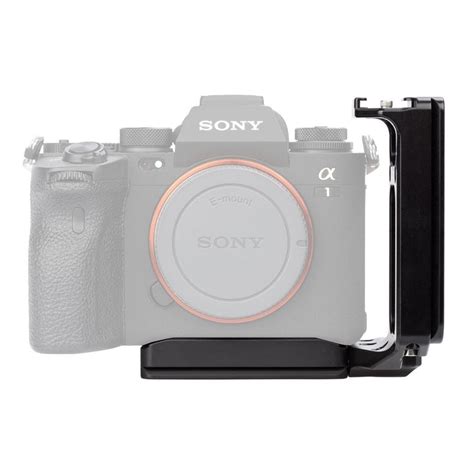
The Sony A7R V occupies the top end of mirrorless stills cameras. It is designed for photographers who prioritize resolution, dynamic range, and advanced autofocus capabilities. Typical buyers include commercial photographers, landscape shooters, fine-art printers, studio portraitists, and serious hobbyists who print large and demand pixel-level detail.
Key Strengths and Real-World Use Cases
- High-resolution imagery: The camera’s sensor and image pipeline are optimized to produce images that hold up on large prints or heavy cropping. Photographers who shoot landscapes, architecture, or product work benefit directly from the resolution when capturing fine textures.
- Advanced autofocus and subject recognition: Fast, reliable AF makes a difference for wildlife, sports, and documentary work where decisive moments matter. Improved subject recognition reduces missed shots and helps when working with moving subjects.
- Professional ergonomics and customization: Physical controls, dual card slots, and robust build quality support long shoots and high-volume workflows. For studio and commercial use, these features increase efficiency.
- Video capabilities: While primarily a stills workhorse, the model includes modern video features useful for hybrid shooters and content creators needing high-quality b-roll and motion capture.
What Buyers Typically Care About
Buyers focus on image quality (resolution and dynamic range), autofocus reliability in real-world conditions, battery life, lens ecosystem, and the total cost of ownership, which includes lenses, accessories, and backup storage. Resale value and brand support are also considerations for those who upgrade frequently.
Limitations
The A7R V is specialized. Its strengths become less relevant for travel photographers prioritizing weight, or for casual shooters who favor ease-of-use over pixel density. It also represents a high upfront cost and an ongoing investment in lenses and storage.
Product Analysis: Dyson Cool Cf1 Fan
The Dyson Cool Cf1 fan is a premium air-movement appliance that centers on comfort, quiet operation, and design. It addresses a different set of user needs: ambient temperature control, airflow quality, aesthetics, and low maintenance. Buyers include apartment dwellers, families with small children or pets, allergy sufferers who prefer bladeless designs, and professionals who work from home and need a quiet environment.
Key Strengths and Real-World Use Cases
- Airflow and comfort: The fan’s engineering produces a consistent, smooth breeze useful in bedrooms, home offices, and studio spaces where steady airflow is preferred over gusty oscillations.
- Quiet operation: Many users appreciate low noise levels during video calls or when sleeping. Content creators who film at home often prioritize silent appliances to avoid noise contamination.
- Design and easy cleaning: The bladeless design reduces pinch-points and makes the unit simple to wipe down — attractive for homes with children or pets.
- Energy and space efficiency: The Cf1 is designed to balance airflow with power consumption and a compact footprint, which suits small apartments and shared workspaces.
What Buyers Typically Care About
For fans, buyers pay attention to airflow (measured subjectively as “feel” and sometimes in cubic feet per minute), noise levels, control options (remote or app), oscillation patterns, durability, and warranty. Price sensitivity is often greater here: while Dyson positions as a premium brand, purchasers still compare to less expensive fans when budgeting.
Limitations
A fan is a single-purpose appliance. It does not appreciate in resale value like some electronics, and its value is felt daily rather than in occasional high-impact moments. A premium fan also represents a cost that may be hard to justify if cooling alternatives (AC, cross-ventilation, lower-cost fans) already suffice.
Find top-rated Electronics products at great prices.
View Offers →Pros & Cons
Sony A7R V — Pros & Cons
- Pros:
- Exceptionally high-resolution sensor for large prints and heavy cropping
- Robust autofocus and subject recognition for action and wildlife
- Professional build, dual card slots, and customizable controls
- Strong lens ecosystem and long-term resale value
- Cons:
- High upfront cost and additional investment in lenses and storage
- Heavier and less compact for travel compared with some alternatives
- Overkill for casual shooters or social-media-only use
- Complex feature set can have a learning curve for newcomers
Dyson Cool Cf1 Fan — Pros & Cons
- Pros:
- Quiet, consistent airflow suitable for work and sleep environments
- Bladeless design is easy to clean and safer around children and pets
- Compact design and modern aesthetics that fit many interiors
- Simple maintenance and generally reliable operation
- Cons:
- Single-purpose appliance with limited long-term resale value
- Premium price compared with traditional fans
- Does not replace air conditioning in very hot climates
- May lack advanced filtration features unless paired with a purifier model
Comparison Table: Sony A7R V vs Dyson Cool Cf1
| Criteria | Sony A7R V | Dyson Cool Cf1 |
|---|---|---|
| Primary function | High-end photography and hybrid video | Airflow and ambient cooling |
| Typical buyer | Professional photographers, serious hobbyists, commercial users | Homeowners, remote workers, families, design-conscious buyers |
| Emotional value | Creative control, prestige, long-term creative investment | Daily comfort, convenience, improved home environment |
| Longevity | Many years with proper care; lens ecosystem sustains value | Several years of reliable use; technology evolution minimal |
| Maintenance | Sensor cleaning, firmware updates, lens servicing | Surface cleaning and occasional filter checks (if applicable) |
| Resale value | Typically strong for well-maintained units | Limited resale value |
| Portability | Portable with luggage; lenses add weight | Compact, but meant for home/stationary use |
| Noise | Quiet for camera operation; lens and shutter noise exist | Engineered to be quiet for living spaces |
| Cost impact | Significant; also requires additional investment in lenses and storage | Premium but much lower than a pro camera system |
How to Decide: A Practical Buying Guide
This section helps translate the comparison into a decision tailored to common buyer profiles. Rather than a one-size-fits-all judgment, consider scenarios and questions to ask before deciding.
1. Clarify the Primary Need
Ask: What problem is being solved? If the need is to produce professional-grade photographs for clients or exhibitions, the Sony A7R V directly addresses that need. If the goal is improved day-to-day comfort, reduced noise during remote meetings, or a safer fan around children, the Dyson Cool Cf1 is the clear fit.
2. Consider Usage Frequency and Impact
Which purchase will be used more often and deliver more tangible benefits? The fan may be used daily for months at a time and improve comfort constantly. The camera may be used less frequently but enables high-value outcomes (paid assignments, gallery shows, or once-in-a-lifetime captures). Evaluate which outcome matters more in the buyer’s current life stage.
3. Evaluate Financial Trade-offs
Rather than thinking strictly in “upgrade” terms, calculate total cost of ownership. For the camera, include lenses, m…4. Assess Lifestyle and Space
For traveling creators, weight and portability might trump resolution; moving down to a lighter camera or investing in comfort at home both make sense depending on the travel-to-home ratio. In small living spaces with poor ventilation, a fan can significantly increase livability, sometimes improving productivity and health (better sleep, less heat-related stress).
5. Consider Long-Term Value and Resale
If the buyer tends to change gear periodically, a high-end camera often retains a larger share of original value and can be resold to fund future purchases. A fan typically depreciates quickly. If preserving capital is a priority, keeping the camera and buying a less expensive fan is an option.
6. Try Before Committing
For camera purchases, renting a body or borrowing a lens can reveal whether the upgrade yields meaningful differences in the buyer’s workflow. For fans, testing noise levels and airflow in the intended room (if possible) or trying a showroom display can prevent disappointment. Both products benefit from hands-on testing when feasible.
7. Alternatives and Compromises
Consider intermediate solutions: a mid-range camera that reduces cost but maintains much of the workflow, or a mid-priced fan that provides most desired comfort features without the premium. For home climate, improving ventilation or using strategic shading can complement a fan purchase. For photography, investing in one excellent prime lens may yield more practical benefits than the newest body.
Discover deals on Electronics — updated daily.
See Deals →Real-World Scenarios
Scenario A: A freelance landscape photographer finds that most assignments now require print-quality files. The A7R V remains central to their income-generating work. Here, keeping the camera and buying a modest fan for the home studio is sensible.
Scenario B: A content creator who has shifted full-time into streaming and remote work finds rarely shooting high-resolution stills. Comfort, quiet, and air quality during long streams are essential. Here, selling or downgrading camera equipment and investing in a Dyson Cf1 and other ergonomic improvements may improve daily life and productivity.
Scenario C: A family living in a hot, humid climate struggles with sleep and productivity. A high-end camera sits in a closet while daily comfort is compromised. The immediate well-being benefits of a fan — plus the low barrier to use — strongly argue for buying the fan first.
Maintenance, Warranty, and Support Considerations
Both products come with manufacturer warranties and recommended maintenance. For the camera, firmware updates, sensor cleaning, and authorized servicing preserve long-term performance. For the fan, following cleaning instructions and verifying any electrical safety guidelines will extend life. Buyers should register products, keep receipts, and check regional service options before purchase.
Conclusion
The answer to “Should you upgrade from a Sony A7R V to a Dyson Cool Cf1 fan?” depends entirely on individual priorities. The camera is an investment in creative capability and potential income. The fan is an investment in daily comfort and living conditions. For users whose work depends on high-resolution imaging, the A7R V will usually remain indispensable. For those whose quality of life, sleep, or home work environment will be materially improved by better airflow and quieter cooling, the Dyson Cool Cf1 can be the smarter, more immediate purchase.
Rather than seeing this as a literal one-for-one upgrade, it helps to align purchases with current needs: keep what enables primary goals and consider secondary purchases that enhance day-to-day life. If forced to choose, weigh which product will deliver more consistent value given how often it will be used and the importance of the outcomes it enables. Either way, thoughtful evaluation and hands-on testing where possible will lead to a decision that feels like an upgrade in the right sense — to productivity, comfort, or creative output.