Spec Battle: Heipi 3 In 1 Travel Tripod W28S vs Sigma 56mm F1.4 DC DN Contemporary — Is It Worth Upgrading?
Short answer: It depends on what the photographer wants to improve. Upgrading to the Heipi 3 In 1 Travel Tripod W28S yields the most immediate gains in mobility, handheld stability, and setup flexibility for travel and run-and-gun shoots. Upgrading to the Sigma 56mm F1.4 DC DN Contemporary delivers a clear improvement in image-making potential—sharper portraits, stronger low-light performance, and more creative shallow-depth-of-field control—if the photographer’s existing lens is slow or soft. This article breaks down real-world trade-offs so readers can decide which upgrade makes the most sense for their needs.
Introduction
Photographers often face a choice between improving support tools or upgrading optics. A solid tripod changes how one shoots, enabling long exposures, careful compositions, and steadier video; a fast prime lens changes what one can capture, improving image quality, low-light performance, and creative control. The Heipi 3 In 1 Travel Tripod W28S and the Sigma 56mm F1.4 DC DN Contemporary occupy different parts of the kit, but buyers frequently ask whether to spend limited upgrade dollars on support or optics. This comparison looks beyond specs to practical outcomes: how each upgrade affects shooting workflows, the types of images a photographer will be able to create, and which users benefit most.
Product overviews — what each item aims to solve
Heipi 3 In 1 Travel Tripod W28S — stability and versatility on the go
The Heipi W28S is positioned as a compact travel tripod that aims to combine portability with the functionality of a full-size support system. In practice, travel tripods of this kind target three common needs: a short folded length for packing, fast setup and breakdown, and multiple conversion modes (tripod, monopod, and sometimes a compact selfie/extension configuration). The typical buyer is a traveler, landscape photographer, or hybrid shooter who wants steady shots without carrying heavy studio gear.
Real-world strengths of compact travel tripods often include quick leg locks, a removable center column that converts to a monopod, and a head (ball or 3-way) designed for quick framing. These trade-offs usually mean slightly lower payload capacity and fewer features compared to heavy-duty tripods, but the difference is intentional: lighter weight and smaller footprint for photographers who move frequently.
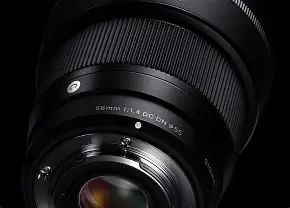
Sigma 56mm F1.4 DC DN Contemporary — a performance-oriented APS-C prime
The Sigma 56mm f/1.4 DC DN Contemporary is an APS-C-format portrait-length prime with a fast maximum aperture. For many photographers shooting on crop-sensor mirrorless cameras, this focal length sits roughly in the short-tele range, making it a natural choice for portraits, headshots, street photography, and low-light work. The fast f/1.4 aperture offers both better subject isolation and more usable light in dim environments, which can translate to cleaner images at lower ISO values and smoother background separation.
In everyday use, this lens tends to appeal to portrait shooters, aspiring professionals, and enthusiasts who want a compact, high-performing prime without the size and price of full-frame equivalents. It changes the photographic possibilities more directly than a tripod: the lens affects the look of every frame, not only the ones where support is used.
Detailed analysis: real-world performance and considerations
Impact on image quality and creative control
The Sigma 56mm brings direct optical benefits. A faster aperture allows shallower depth of field and better subject separation, which is central to portraiture and certain artistic looks. In low-light conditions it reduces reliance on high ISO or slow shutter speeds, enabling cleaner images and more flexibility for handheld shooting. For photographers whose current kit includes kit zooms or older primes with smaller apertures, the Sigma produces a noticeable upgrade in sharpness, micro-contrast, and bokeh character.
The Heipi tripod does not change the optical quality, but it changes what is possible: long exposures for nightscapes, precise reframing for panoramas, tack-sharp landscapes at small apertures, and steadier video. For photographers who currently shoot handheld and sometimes miss shots due to camera shake (especially in low light), a travel tripod can improve keeper rates and expand shooting scenarios—think star trails, slow-water landscapes, or group portraits with the photographer included via a timer/remote.
Shop the latest Cameras & Photography picks on Amazon.
See Deals →Workflow and convenience
Upgrading to the Sigma lens affects almost every shoot: composition decisions, autofocus behavior (depending on camera-lens pairing), and how much one relies on support gear. A compact, fast prime encourages moving closer to subjects, crafting tighter frames, and relying on natural light more. It also influences post-processing: with cleaner files from lower ISO and sharper optics, less noise reduction and sharpening may be required.
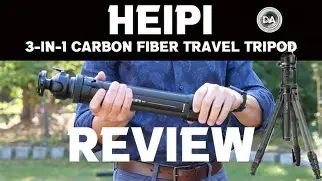
The Heipi W28S targets convenience differently. It reduces friction for tripod use—lighter weight, easier packing, and faster setup mean a tripod will actually be used more often. For landscape shooters who currently leave heavy tripods at home because they are cumbersome, a travel tripod turns tripod-based techniques from infrequent to regular tools in the kit.
Durability and long-term value
Lens upgrades usually have longer-term value: a high-quality prime retains relevance across camera upgrades and remains a core creative tool. A lens can be used for years and across bodies, making it a durable investment in image quality. Tripods, meanwhile, can be more situational; a compact travel tripod is ideal for mobile work, but if a photographer later shifts to studio, heavier supports might be required. That said, a reliable travel tripod is beneficial for travel-centric workflows for many years.
Pros & cons
Heipi 3 In 1 Travel Tripod W28S
- Pros:
- Compactness and portability make it easy to carry on …
1. What problem is the upgrade solving?
If the frequent problem is camera shake, missed long-exposure opportunities, or unstable video, a travel tripod will address that directly. If the issue is soft images, limited low-light capability, or unsatisfactory background blur, a fast prime lens is the more relevant fix.
2. How does the upgrade change day-to-day shooting?
Ask whether the new item will be used on most shoots. A lens is used far more often than a tripod for many photographers—if the Sigma will be mounted regularly for portrait sessions, it pays back quickly. Conversely, if a tripod will enable a new class of photos (nightscapes, panoramas), its impact can be transformational even if used less often.
3. What are weight and packing considerations?
For travelers, small increments in weight and folded length determine whether gear is carried at all. If the Heipi tripod makes bringing a tripod realistic, that is a practical upgrade. If adding the Sigma significantly changes bag balance, consider whether it will displace other essentials.
4. What is the existing kit and budget?
Compare the marginal improvement from each upgrade against cost. Lenses generally retain value and usefulness across bodies; tripods vary by use case. If budget is limited, prioritize the piece that addresses the most persistent limitation in the current kit.
Looking for the best Cameras & Photography deals on Amazon?
View Offers →5. Test before committing
Whenever possible, try gear in the field—rentals, local camera stores, or borrowing from peers let photographers feel the real-world differences. For tripods, consider setup time and stability under real wind/load. For lenses, test autofocus behavior, rendering, and edge-to-edge sharpness on a relevant camera body.
Real-world scenarios to illustrate the decision
Scenario A: A wedding photographer who already uses a solid support in the studio but struggles in dim reception lighting. The Sigma 56mm would likely be the better upgrade because it improves handheld low-light performance and subject separation during candid moments.
Scenario B: A travel photographer who currently leaves tripods at home because a full-size model is too heavy. The Heipi travel tripod converts shooting behavior: it enables long-exposure cityscapes, night photography, and smoother video, making it the more impactful purchase.
Scenario C: A hybrid content creator who shoots portraits and vlogs. If the creator needs better portraits and cleaner b-roll in low light, prioritize the Sigma. If they need more stable talking-head footage and frequent outdoor shoots where lighting is controllable, the Heipi tripod may be the immediate win.
Conclusion
Both upgrades serve important but different roles. The Heipi 3 In 1 Travel Tripod W28S changes what is possible by adding steadiness and flexibility to a photographer's workflow—particularly valuable for travel, landscape, and video shooters who will actually carry and use it. The Sigma 56mm F1.4 DC DN Contemporary changes the look and technical quality of images across most sessions, offering a stronger low-light envelope and a signature aesthetic for portraits and subject isolation.
Which one is “worth” upgrading to depends on where the current limitations lie: choose the tripod if stability and expanded shooting scenarios are the priority; choose the lens if image quality and creative control over depth of field are paramount. For many photographers the ideal path is sequential: a compact travel tripod first if a lack of stable support is the bottleneck, and the Sigma prime next as budget allows—because once a tripod is used regularly, the improved images from a quality lens become even more noticeable.
- Compactness and portability make it easy to carry on …